Where it comes from
India
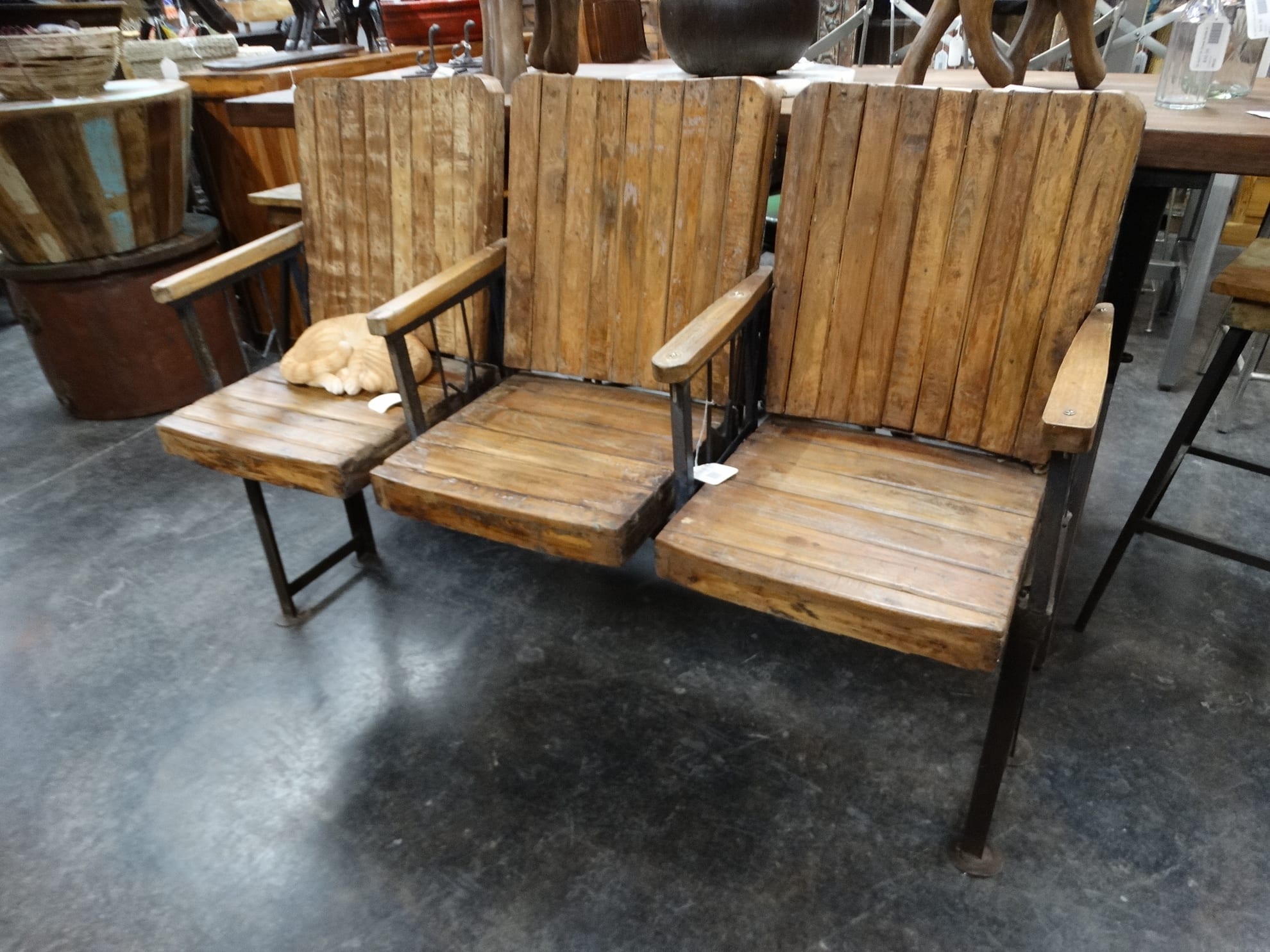
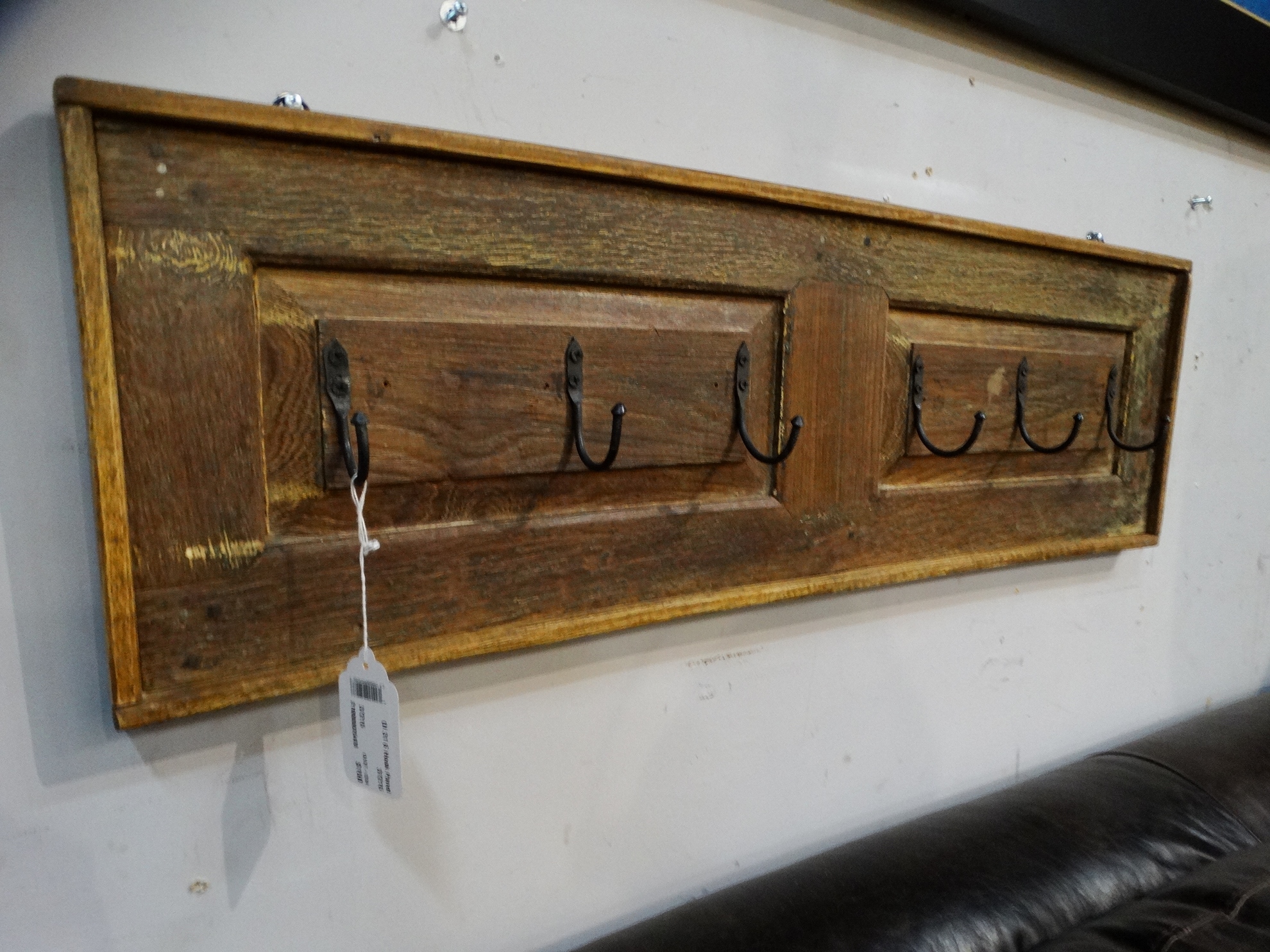
Jodhpur is the center of it. One of our suppliers runs offices in thirty-two parts of the country, and his teams go door to door asking whether people want to sell the old things in their houses. When a building is scheduled for demolition, he has first right of refusal on the doors, windows, beams and flooring. They even dismantle old ships and repurpose the planking. What comes out of that pipeline: teak window frames from Gujarat farmhouses, carved Haveli doors, iron-strapped gates, and the reclaimed timber our Indian workshops turn into industrial tables.
Egypt
We were buying Egyptian pieces from importers here in the States for years. In 2025 Tony went to the source. Egypt is not a furniture country for us — the furniture is more ornate than our customers want — but the architectural pieces are the best we have found anywhere: doors approaching two hundred years old, gates, iron lighting, hand-riveted metalwork.
Hungary
Not salvage in the strict sense, but it lives in this section because it is where people look for it: hundred-year-old wooden wheelbarrows, hay carts, farm implements, antique sleighs and wooden skis found on trips through the Hungarian countryside since October 2024. The full-size hay cart we brought back sold immediately.
What we carry
- Doors — carved teak and hardwood exterior doors, paneled interior doors, doors with original colored-glass lights
- Gates and grilles — iron and wood, hand-riveted and hand-forged
- Windows and frames — teak window frames, shutters, transoms
- Iron lighting — old-world fixtures rewired for use [confirm rewiring is standard]
- Beams, corbels, columns and architectural fragments
- Farm and trade antiques from Hungary — carts, wheelbarrows, implements, bottles
How people use them
As doors, obviously — but more often as headboards, room dividers, wall pieces, garden gates, and the one object in a new-build home that does not look like it came from a catalog. A carved door on a wall changes a room the way nothing else at that size can. Bring your opening measurements; nothing here is a standard size, and that is the appeal.
Who this is for
Homeowners and designers who want a piece with real history in it. If you need ten identical doors for a development, we are not the right source. If you need one door that people stop and ask about, come walk the floor.
Inventory and pricing
One-of-a-kind means exactly that. The photos on this page show the kind of pieces we carry, not what is on the floor today. Pricing is by the piece — age, size, carving and condition all matter — and staff can tell you over the phone what has arrived. The salvage section is at Holly Street Warehouse; pieces move to the other stores as space allows.
“Somebody carved that door by hand a hundred years ago, and it guarded a family’s home every day since. I find these pieces before they’re lost — so they can stand watch for a hundred more.” — Tony, founder and picker
Related: India journey · Egypt journey · Hungary journey · Holly Street Warehouse · One of a Kind